Our Mission
"To tackle this underrecognized and unaddressed global health threat and prevent unnecessary harm through research, education, and communication."
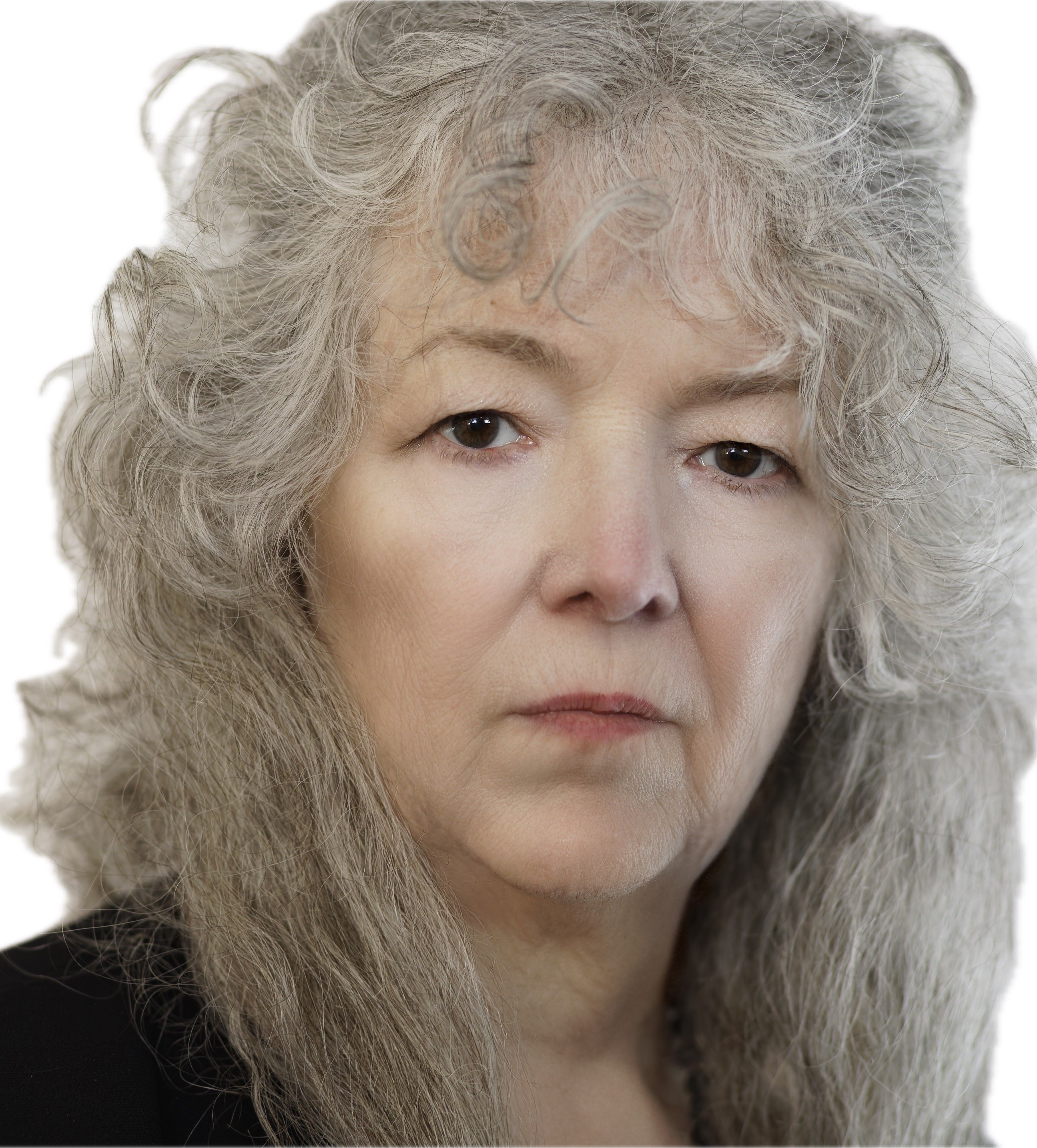
About Dr. Irene Grant
- Double Board-Certified Infectious Disease Specialist with over 40 years of medical expertise.
- Trained under Dr. Donald Armstrong — former President of the Infectious Disease Society of America — at Memorial Sloan-Kettering Cancer Center, one of the top hospitals in the world.
- Treated over 600 patients affected by hazardous mold and mycotoxin exposure.
- International speaker at prestigious medical and scientific conferences in Europe and the U.S.
- Personal survivor of mold illness — combining medical knowledge with real-life experience.
In the 1980s, during the height of the HIV/AIDS epidemic, Dr. Grant trained at Memorial Sloan-Kettering Cancer Center in New York City under Dr. Donald Armstrong, former President of the Infectious Disease Society of America. There she acquired specialized training in Microbiology and Hospital Infection Control. She later spent more than a decade in academic medicine as an Assistant Professor of Medicine at Albert Einstein College of Medicine (1988–2000) and as a Clinical Assistant Professor of Medicine at New York Medical College, where she taught, conducted clinical epidemiology and research, and treated inner-city patients in the HIV "epicenter" in the Bronx.
Later, in private practice, she applied her expertise to investigating unusual illnesses and helping hundreds of patients suffering from hazardous indoor exposures. For the past 24 years, Dr. Grant has correlated multi-system illness with specific hazardous exposures and activities, assessed the reliability of diagnostic tests, and evaluated the efficacy of anti-fungal treatments. Her focus continues to be linking illnesses with exposures, mold species and/or mycotoxins, predisposing risk factors, and treatment outcomes.
Dr. Grant's expertise in analyzing and managing illnesses caused by hazardous indoor fungal and mycotoxin exposures has been presented across multiple peer-reviewed medical communities, including the American Society for Microbiology, the European Academy of Allergy and Clinical Immunology, the European Confederation of Medical Mycology, the International Society of Chemotherapy, the International Society for Human and Animal Mycoses, the Society of General Internal Medicine, the World Mycotoxin Forum, the International Society for Mycotoxicology, and the Society for Mycotoxin Research.
She was also invited to present internationally in 2024, speaking on human illness and inhaled mycotoxins at the 11th Advances Against Aspergillosis and Mucormycosis Conference in Milan, Italy (January 27, 2024), and on neurological disease linked to hazardous indoor macrocyclic trichothecene exposure at the Society for Mycotoxin Research 45th Mycotoxin Workshop in Vienna, Austria (June 2024).
Testimonials
"Dr. Irene Grant's background in internal medicine and infectious diseases has positioned her as a medical pioneer in this underrecognized area of sickness from hazardous indoor mold exposures. Her accumulating clinical experience with indoor mold over 25 years affords her an almost unique medical perspective into the diverse symptom and illness patterns linked to mold exposures. Her insights are especially important now with a warming planet, more extreme weather events and water-damaged buildings."
"While much of the science on indoor mold hazards remains underappreciated and largely unexplored, Dr. Grant's practical guidance offers a clear warning about the very real risks of exposure to Stachybotrys and trichothecenes — arguably the most dangerous indoor mold-related toxins. Her advice is grounded in decades of her own epidemiological work linking these exposures to serious clinical outcomes, including neurological, immunological, and obstetrical effects. Her guidelines could prevent countless needless tragedies."
Is mold making you sick?
Do you wake up congested — feeling foggy, forgetful, or just not yourself? It might not be age or stress. If your health feels off and you don't know why, this is your turning point. You don't need to be a scientist to spot the dangers; what matters is knowing what to look for.
Explore the Library